
The Role of Layout in Engaging Players
The layout of a casino is one of the crucial elements that influences player behavior. An optimal floor plan encourages exploration and engagement, creating an environment where players feel comfortable and drawn to different areas. For instance, placing popular gaming machines near the entrance can captivate new arrivals and make them eager to participate in the best online casino with instant withdrawal options available, enhancing their overall experience. The arrangement can direct foot traffic and affect how long guests stay, ultimately impacting the casino’s revenue.
Moreover, the flow of the casino is designed to lead players through a series of experiences, from the moment they enter. Designers often use sightlines to create an inviting atmosphere that highlights various gaming areas. For example, the positioning of card tables, slot machines, and dining areas can be strategically planned to ensure that players have visual access to activities that engage them. This way, patrons are more likely to stay, as the layout naturally promotes movement between different gaming options and amenities.
Additionally, a well-thought-out layout can minimize confusion and enhance the overall experience. Casinos often incorporate signage and thematic decor that aligns with the overall design, making navigation intuitive and enjoyable. Employing a cohesive theme throughout the space can create an immersive experience that encourages players to explore new games. In essence, a thoughtfully designed casino layout not only attracts players but also impacts their behavior by encouraging longer visits and multiple interactions with various gaming options.
Lighting and Ambiance: Keeping Players Engaged
Lighting plays an essential role in creating the desired ambiance within a casino, greatly influencing player behavior. Bright, vibrant lights can create a sense of excitement and energy, drawing players to engaging areas like slot machines and gaming tables. In contrast, softer lighting in lounges and dining areas can provide a more relaxed atmosphere for social interactions. This strategic use of lighting enhances the casino’s overall appeal and can dictate whether players feel energized or comfortable.
Moreover, the combination of natural and artificial lighting can create an inviting environment that blurs the lines between day and night. Many casinos employ a design strategy that eliminates windows, allowing players to lose track of time as they are enveloped in a stimulating atmosphere. This disorientation can lead to increased playtime, as players often remain engaged longer than they initially intended. By carefully manipulating lighting, casinos can induce a sense of thrill that encourages players to continue their gaming activities.
Importantly, the ambiance created through lighting extends beyond mere aesthetics. It can be tied to the emotional and psychological responses players experience while gaming. Warm colors can evoke feelings of nostalgia, while cooler tones might promote focus and concentration. By understanding these effects, casino designers can tailor the lighting to match the desired emotional atmosphere, thereby influencing how long and how often players engage with various games.
The Psychological Impact of Colors and Patterns
Color psychology is another pivotal aspect of casino design that significantly impacts player behavior. Different colors evoke various emotional responses, and designers strategically utilize these to create appealing environments. For example, red may heighten excitement and encourage risk-taking, while blue tends to promote a sense of calm and trustworthiness. Casinos often leverage these color associations to enhance the overall player experience and draw attention to specific gaming areas.
In addition to color, the use of patterns plays a vital role in capturing player attention and enhancing the casino’s aesthetic. Geometric patterns can create a dynamic atmosphere that stimulates visual interest, while more organic shapes can promote a sense of relaxation. By combining colors with complementary patterns, designers can guide player focus toward certain activities, making it more likely they will engage with nearby gaming options or promotions. This synergy between color and pattern design helps create a physical environment that encourages interaction.
Furthermore, the psychological effects of colors and patterns can impact the duration of a player’s stay and the amount of money they are willing to spend. A casino that effectively incorporates color theory and pattern design into its overall aesthetic can create a hypnotic environment that holds players’ attention. This deliberate design choice not only increases the likelihood of participation in games but also fosters an emotional connection, encouraging players to return in the future.
Incorporating Technology for Enhanced Experiences
In recent years, the integration of technology into casino design has revolutionized player interactions. From electronic gaming machines featuring immersive soundscapes to virtual reality experiences, technology has transformed how players engage with gaming. Casinos prioritize cutting-edge technology to offer unique and captivating experiences, ensuring players are not only entertained but also engaged at deeper levels. This technological integration keeps the gaming experience fresh and exciting.

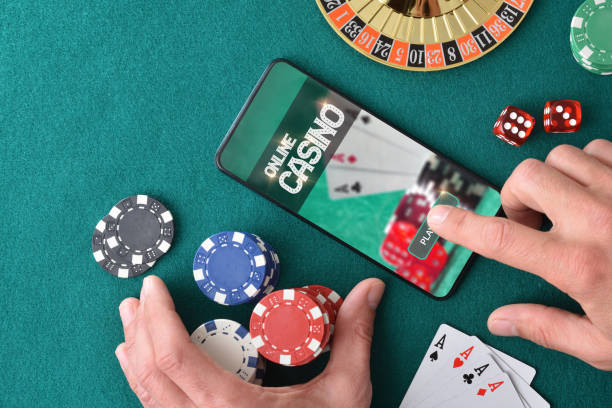
Moreover, mobile apps and digital interfaces have become essential tools in modern casino design. Players can now access games, promotions, and loyalty programs conveniently from their devices, enhancing the overall experience. This accessibility allows for continuous engagement, as players can participate in games while waiting for their friends or during breaks. Additionally, data analytics can inform casinos about player preferences, helping them tailor experiences and offer customized promotions that resonate with individual patrons.
As technology evolves, so do the possibilities for enhancing player behavior through design. Casinos are increasingly exploring augmented reality and interactive gaming options, creating engaging environments that attract tech-savvy players. Such innovations not only improve the gaming experience but also encourage players to explore new avenues, leading to increased time spent in the casino and potentially higher revenue generation.
Conclusion: The Future of Casino Design and Player Engagement
In conclusion, the impact of casino design on player behavior is profound and multifaceted. As casinos continue to evolve, understanding how various design elements influence the player experience will remain vital for engaging patrons effectively. From layout and lighting to color psychology and technology, these components work together to create immersive environments that encourage longer visits and increased spending.
The future of casino design will likely see an even greater emphasis on personalization and interactive experiences. As player demographics shift, casinos must adapt their designs to meet the needs and preferences of a diverse audience, ensuring they remain relevant in an ever-competitive market. By continually analyzing and implementing design strategies that promote player engagement, casinos can cultivate loyal patrons who return time and again.
Our website serves as a valuable resource for understanding the intricacies of casino design and its impact on player behavior. We offer insights into the latest trends and research in the industry, providing readers with the information they need to appreciate both the art and science behind successful casino environments. Stay tuned for more content that explores the evolving landscape of casino design and player engagement.

