
Understanding the psychology behind gambling behavior in casinos
The Allure of Casinos
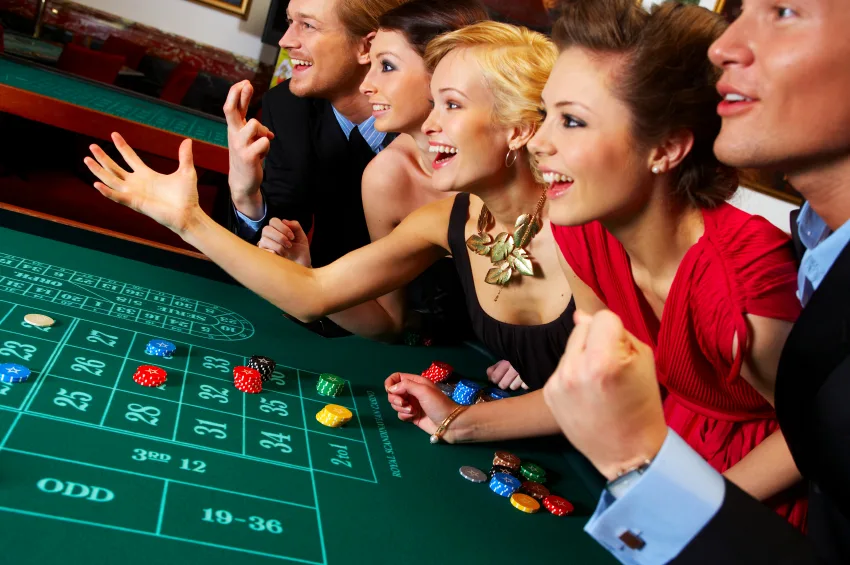
Casinos are designed to captivate their patrons, creating an atmosphere that encourages gambling. This allure is rooted in psychological principles that play on human emotions and desires. The bright lights, enticing sounds, and the thrill of winning all contribute to an environment that stimulates excitement and anticipation. For those looking to enhance their experience, the best online casino australia can offer countless options for entertainment. This sensory overload can make it easy for individuals to lose track of time and money.

The psychological phenomenon known as the “near-miss effect” also plays a significant role in drawing players back. When gamblers experience a near-win, such as spinning the slot reels and almost hitting a jackpot, it creates a false sense of hope that success is just around the corner. This can lead to repeated attempts, as players chase the feeling of a potential win.
The Role of Risk and Reward
Gambling inherently involves risk, and understanding the psychology behind this can reveal why many people are drawn to it. The possibility of winning large sums of money often outweighs the perceived risks, leading to a thrill-seeking behavior. This is particularly evident in high-stakes games where the potential rewards can be life-changing, fueling a gambler’s desire to take risks.
The brain’s reward system is also activated during gambling. When a player wins, the release of dopamine creates a sense of pleasure and satisfaction. This chemical reaction can be addictive, reinforcing the behavior and encouraging continued play. Over time, this cycle can lead to compulsive gambling, as the pursuit of that euphoric feeling becomes increasingly important to the individual.
The Impact of Environment on Gambling Behavior
The physical environment of a casino can significantly affect gambling behavior. Factors such as layout, decor, and even the presence of other players can influence how much time and money a gambler is willing to spend. Casinos are often designed with no clocks and limited windows to create a sense of timelessness, encouraging players to stay longer than they intended.
Emotional Factors in Gambling
Emotions play a pivotal role in gambling behavior, influencing decisions and outcomes. Many individuals turn to gambling as a form of escapism, using it to cope with stress, anxiety, or depression. The rush of a gamble can provide temporary relief from negative emotions, creating a cycle where individuals return to gambling as a coping mechanism.
Moreover, the emotional highs and lows experienced during gambling can lead to a rollercoaster of feelings. The thrill of a win can elevate mood, while losses can result in frustration or despair. This emotional volatility can make it challenging for gamblers to recognize their behavior patterns, often leading to increased gambling to regain that euphoric feeling, further complicating their relationship with gambling.
Exploring Responsible Gambling
Understanding the psychology behind gambling behavior is crucial for promoting responsible gambling practices. Awareness of the mental and emotional triggers that lead to excessive gambling can empower individuals to make informed decisions. Casinos and gambling establishments are increasingly implementing measures to encourage responsible gambling, such as providing information on self-exclusion and offering tools to help players manage their spending.
Education and support systems play a vital role in addressing gambling addiction. Resources that promote awareness about the psychological aspects of gambling can help individuals recognize when their behavior may be becoming problematic. By fostering a culture of responsibility, the gambling industry can create a healthier environment for all players.
“`


Deixar um comentário